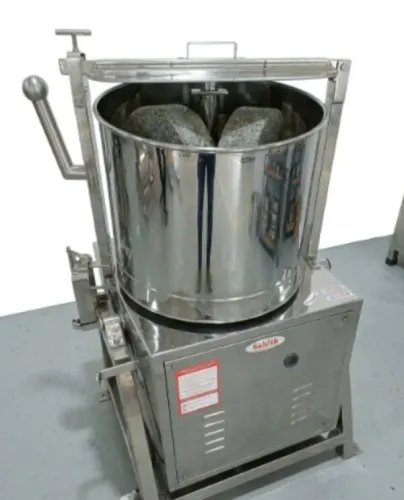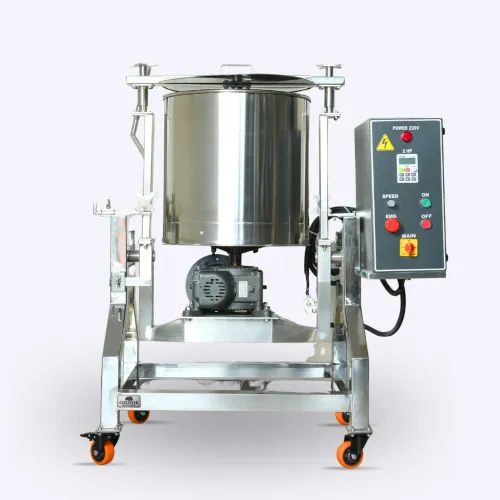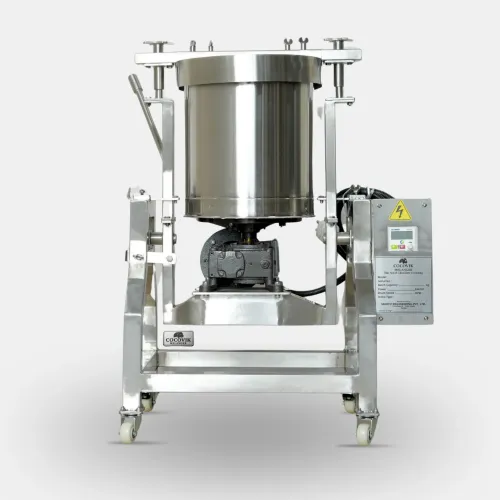
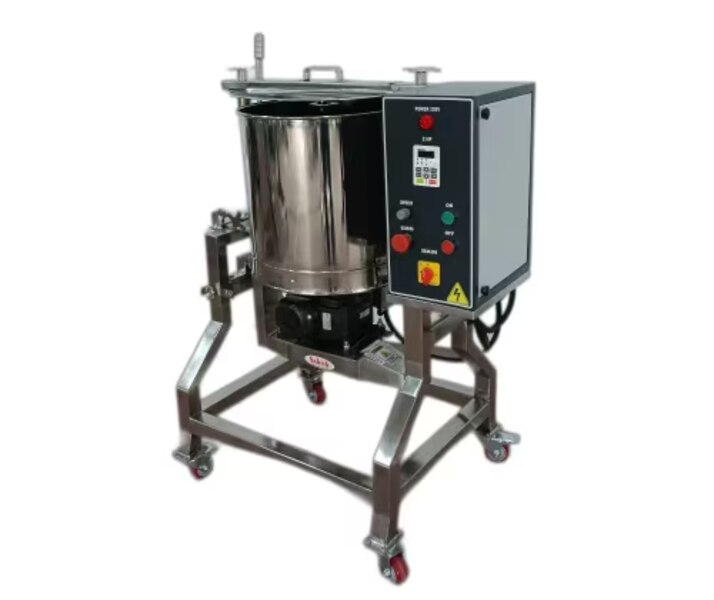
A melanger can keep running while its stones, scraper, seals, drive, or food-contact surfaces are already deteriorating. By following a model-specific schedule, a controlled servicing sequence, and a documented release process, you can reduce contamination risk, identify wear before failure, and dispatch equipment with evidence that it is safe to operate.
Key takeaways
- Set mechanical, food-contact, and electrical checkpoints before dispatch.
- Clean, sanitise, rinse, and fully dry every food-contact surface.
- Measure worn parts before ordering melanger replacement components.
- Record test results, lubrication, electrical checks, and replaced parts.
Set the supplier maintenance schedule before dispatch
Before dispatch, set checkpoints that prove the food-contact system is serviceable; a running motor alone proves nothing. Use a chocolate melanger maintenance checklist for suppliers in Coimbatore that separates mechanical, food-contact, and electrical inspections.
1. Before dispatch, inspect the stone for chips, cracks, diameter, and thickness. Check scraper dimensions and contact, shaft diameter, bearing designation, belt section and length, shaft seals, bowl condition, switches, guards, and motor nameplate data. Record each measurement before quoting parts.
2. After installation, verify bowl and stone alignment, scraper clearance, belt tracking, shaft rotation, fastener security, earthing, switch operation, and a dry test run. Confirm that no water remains in stone pores, seals, or bearing areas.
3. At each weekly chocolate machine maintenance visit, remove dry residue, inspect scraper wear, check unusual noise or vibration, and confirm that the bowl, stones, and ingredients are dry before startup.
4. Monthly, inspect belt tension, bearing play, seal leakage, stone surface, electrical connections, and lubricant condition. Keep lubricant away from food-contact surfaces.
5. At the defined operating-hour interval, repeat all measurements and replace parts outside tolerance. Record the pre-service condition, product handled, cleaning method, parts changed, readings, test-run duration, and release approval.
Follow a safe chocolate melanger servicing sequence
Service the melanger only after stopping production, isolating power, and allowing hot chocolate to cool enough for safe handling. Use this chocolate melanger servicing guide in the same order every time:
1. Switch off the machine, isolate and lock out the electrical supply, and verify zero energy at the controls. Record the product handled and the machine’s pre-service condition.
2. Remove residual chocolate with dry, food-safe scrapers. Do not hose down the bowl, stones, motor, bearings, switches, or electrical enclosure; water can make chocolate seize into a lumpy paste.
3. Remove the stones and scraper according to the manufacturer’s assembly method. Clean the bowl, stones, scraper, shaft, and guards with suitable dry tools, then use an approved detergent only where the material and process permit it.
4. Inspect stone diameter and thickness, scraper contact, shaft seals, belt, bearings, fasteners, and switches. Check that no chocolate, grease, or cleaning chemical can reach the food-contact zone.
5. Sanitise only with a validated, compatible sanitizer when required. Follow its concentration and contact time, prevent residue entering chocolate, and dry every food-contact surface completely.
6. Refit parts correctly, confirm free rotation by hand, and keep lubricant away from the bowl, stones, scraper, and product.
7. Remove the lockout under controlled conditions and test-run the empty machine. Check noise, vibration, tracking, scraper contact, temperature, and switch operation before release. Record duration, findings, parts changed, and approval.
Clean, sanitise, and dry the food-contact zone
Scrape out chocolate, cocoa solids, sugar, and nut paste while the residue is still soft, using a food-grade plastic or nylon scraper. Do not use a knife, abrasive pad, or metal tool that can score the bowl, stone, or scraper edge and create a particle hazard.
- Remove loose residue with dry tools and brush powder from the bowl, stone surfaces, scraper mount, and shaft seal area. Never hose down the melanger, bearings, motor, switches, or electrical enclosure.
- If wet cleaning is permitted by the equipment procedure, use a warm, low-foaming, food-contact detergent on removable parts. Keep water away from bearings and seals, and prevent liquid from entering stone pores or trapped joints.
- Rinse detergent from approved food-contact parts, then apply a validated sanitizer only when its chemistry suits the material. Cleaning removes soil; sanitation controls microorganisms. Do not release the machine until sanitizer residue is removed according to the product instructions.
- Dry every part completely with clean, lint-free cloths and filtered air where approved. Water left beneath scraper hardware or inside seals can cause corrosion, microbial soil, or seized chocolate in the next batch.
- Refit the scraper and record its measured gap, spring setting, or approved position. Excess pressure raises motor load; insufficient contact leaves a hardened residue ring.
Record this chocolate machine maintenance check, including allergen changeover and drying verification, before using dry ingredients for the next batch.
Inspect wear, lubrication points, and mechanical performance
The stone, scraper, belt, bearings, shaft seals, and switches show wear before the motor itself reveals trouble. A running motor proves only that power reaches the drive, not that the food-contact system is aligned, sealed, or serviceable.
For chocolate grinder maintenance for distributors, dry-clean cocoa and chocolate residue before wet washing. Remove dust from stone pores, scraper hardware, seals, and bearing surrounds; then wash only where permitted. Dry every food-contact part completely before reassembly, or trapped water can cause corrosion, microbial soil, or chocolate seizure.
| Component | Evidence to record | Adjustment or replacement trigger |
|---|---|---|
| Stone | Diameter, thickness, chips, grooves, uneven contact | Replace for cracks, unsafe thinning, or severe out-of-round wear |
| Scraper | Dimensions, edge damage, residue ring | Adjust measured gap or spring setting; replace if warped or shedding particles |
| Belt | Section, length, cracks, glazing, slippage | Tension or replace when slipping, cracked, or unable to hold specification |
| Bearing | Designation, noise, heat, shaft play | Replace for rough rotation, excess play, or abnormal temperature |
| Shaft seal | Dimensions, leakage, hardened elastomer | Replace for seepage, swelling, cracking, or chocolate contamination |
| Switch | Actuation, continuity, loose terminals | Replace for intermittent operation or damaged housing |
Lubricate only approved incidental-food-contact points, using the documented approval or certification. Confirm scraper pressure through motor load and test-run behaviour; excessive load indicates over-tight contact, while a hardened residue ring indicates insufficient contact. Record measurements, lubricant, test duration, and release decision.
Verify electrical safety and complete the service record
Do not energise or release the melanger until electrical isolation has been removed by an authorised technician and every safety check is recorded. A motor that runs is not proof that the machine is safe.
1. Inspect the plug, cable, strain relief, isolator, control panel, enclosure, terminals, and earth conductor for cuts, heat damage, loose connections, or exposed metal. Confirm the supply voltage and frequency match the motor nameplate.
2. With power isolated, test protective-earth continuity and insulation resistance using suitable test equipment. Test the residual-current device or ground-fault protection, emergency stop, start/stop controls, overload protection, and any lid or guard interlock. Record each reading, instrument identification, and test date.
3. Refit every guard and food-contact component before a controlled test run. Check that the stone, scraper, belt, and shaft rotate without binding, then record test-run duration, abnormal noise, current draw, and the person who approved release.
4. Complete the service record with pre-service condition, batch or product handled, cleaning method, parts changed, measurements, lubricant and quantity, electrical readings, faults found, corrective action, and release approval. Note allergen exposure when the machine handled dairy, nuts, sesame, or cocoa blends.
5. File the signed record with the machine serial number, service date, technician name, and next due date. This traceability strengthens chocolate machine maintenance and gives chocolate grinder maintenance for distributors a defensible record when a later failure is disputed.
Identify replacement parts by measurement, not machine name
A melanger replacement parts supplier in Coimbatore should never quote from the machine name alone. Record the removed part’s dimensions, material, condition, and photograph before selecting an equivalent; a part that fits mechanically can still contaminate chocolate or fail under the machine’s load.
- Stone: measure outside diameter, thickness, bore, mounting pattern, and running surface condition.
- Scraper: record length, width, thickness, hole spacing, mounting direction, edge profile, and food-contact polymer or metal grade.
- Shaft seal: measure shaft diameter, housing bore, seal width, lip direction, and elastomer type.
- Belt: record section profile, inside or pitch length, number of ribs, and pulley alignment.
- Bearing: record designation, bore, outside diameter, width, seal or shield type, and shaft fit.
- Electrical part: copy motor nameplate voltage, phase, frequency, power, current, speed, and enclosure rating; record switch or controller ratings, terminal layout, and cable size.
Attach a dimensioned sketch, clear photographs, and the returned-part measurements to the quotation. State food-contact material, surface finish, corrosion condition, and rotation direction. SAHITH ENGINEERING can use this record to separate a genuine interchange from a visually similar part.
A chocolate melanger maintenance checklist for suppliers in Coimbatore should also log the old part’s failure evidence, replacement batch or serial number, lubricant specification, installation date, and post-repair test result. That traceability prevents the next “same model” order from repeating an incorrect fit.
Related products
 | Chocolate Grinder Chocolate Melanger Chocolate Melanger / Cocoa Grinding Machine – Chocolate Making Machine 🔹 Chocolate Melanger Manufacturer in Coimbatore We are a leading manufacturer and supplier of chocolate melanger and cocoa grinding machines in... View product → |
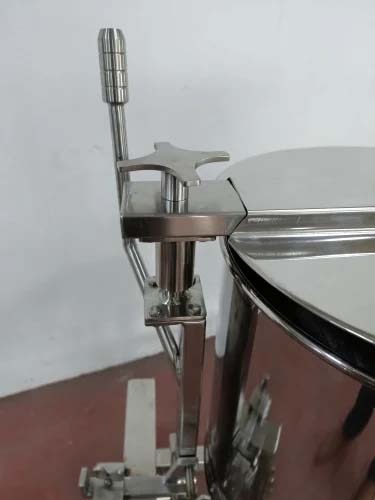 | Cocoa Grinding Machine or Chocolate Melanger Chocolate Melanger Machine – Chocolate Grinding Machine Chocolate Melanger Manufacturer in Coimbatore We are a leading manufacturer and supplier of chocolate melanger machines in Coimbatore, Tamil Nadu,... View product → |
Frequently asked questions
What should suppliers check before dispatching a chocolate melanger?
Check the food-contact system, rollers, bearings, drive components, lubrication points, motor performance, guards, wiring, earthing, and controls before dispatch.
What is the safe sequence for chocolate melanger servicing?
Isolate and unplug the machine, allow hot product to cool, remove residue, inspect components, complete maintenance, clean and sanitise, then test the machine.
How should you clean and sanitise a chocolate melanger?
Remove chocolate from the food-contact zone, wash approved removable parts, sanitise surfaces with a suitable food-contact sanitiser, rinse when required, and dry completely.
How do you identify replacement parts for a chocolate melanger?
Measure the part and record its diameter, length, bore, thread, material, seal profile, bearing code, and mounting dimensions instead of relying only on the machine name.
Related products
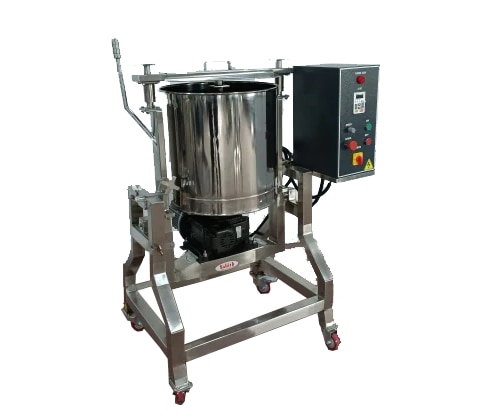 | Chocolate Machine Manufacturers Sahith Chocolate Melanger / Nut Butter Grinder – Cocoa Grinding Machine Chocolate Melanger & Nut Butter Grinder Manufacturer in Coimbatore We are a leading manufacturer and supplier of chocolate melanger and nut butter... View product → |
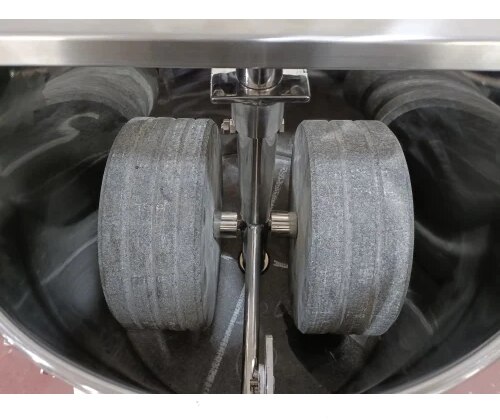 | Chocolate Machine Manufacturers Standard Chocolate Melanger Machine – Chocolate Grinding Machine Chocolate Melanger Manufacturer in Coimbatore We are a leading manufacturer and supplier of standard chocolate melanger machines in Coimbatore, Tamil... View product → |
 | Chocolate Refiner 🔹 Chocolate Table Top Melanger – 4 Kg Chocolate Grinding Machine We are a leading manufacturer and supplier of chocolate table top melanger machines... View product → |
 | Chocolate Grinder Chocolate Melanger Chocolate Melanger with Speed Controller – 50 Kg Chocolate Grinding Machine 🔹 Chocolate Melanger Manufacturer in Coimbatore We are a leading manufacturer and supplier of chocolate melanger machines with speed controller in... View product → |
Keywords