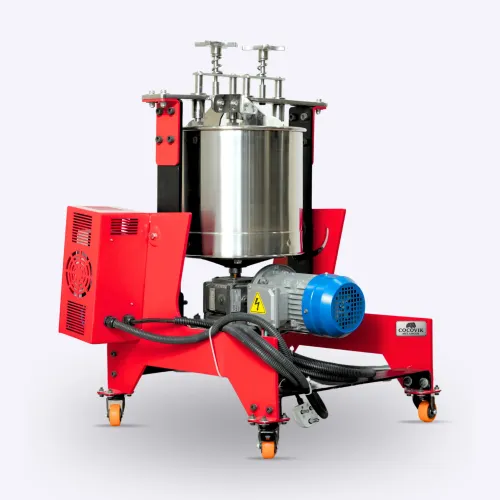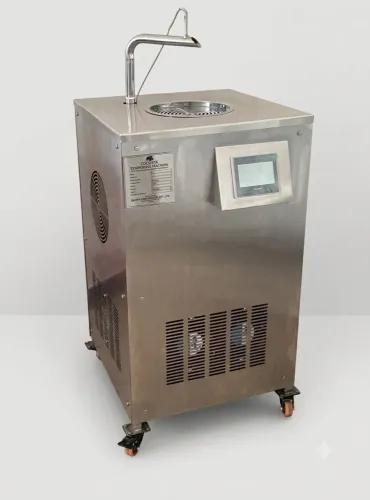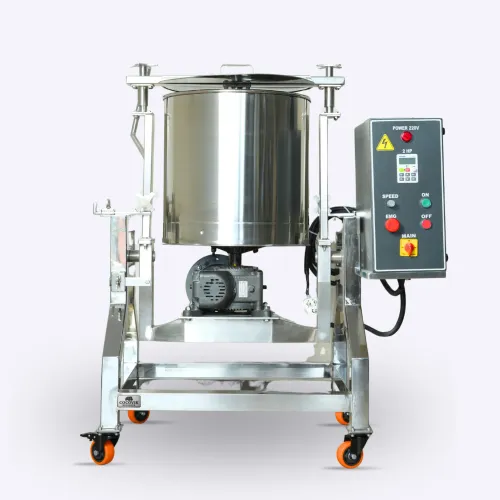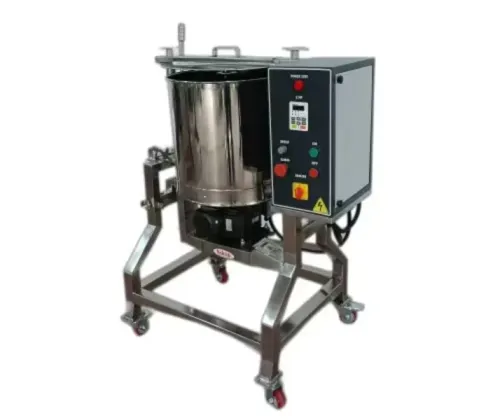
Immediate supply does not automatically mean a machine is sitting in a warehouse ready to run. You need to confirm its physical status, production scope, operating specifications, installation requirements, and performance on beans like yours before treating a quotation as ready for dispatch.
Key takeaways
- Ask for the completed machine’s serial number and confirmed dispatch date.
- Compare throughput, motor power, feed size, and nib recovery figures.
- Test cracking and winnowing with your own cocoa bean sample.
- Inspect guards, emergency stops, dust extraction, and electrical documentation.
What “Immediate Supply” Must Mean Before You Place an Order
“Immediate supply” means a completed cocoa bean cracker exists in India and has a stated dispatch date. It does not mean the supplier can begin manufacturing after you pay. A listing for cocoa processing equipment available now proves nothing until the seller identifies the actual unit.
1. Ask for the exact model, serial number or stock reference, available quantity, physical location, and photographs dated close to the quotation. Confirm whether it is ready stock, ex-display equipment, a completed machine awaiting dispatch, or subject to a manufacturing lead time.
2. Request a written dispatch commitment showing the date, transport responsibility, and delivery point. Require separate statements for freight, installation, electrical work, taxes, commissioning, and operator training.
3. Define what “machine” includes. The phrase “cocoa bean cracker for machine available in coimbatore” is ambiguous unless the offer states whether it covers only the cracking chamber or a complete cracker-winnower system.
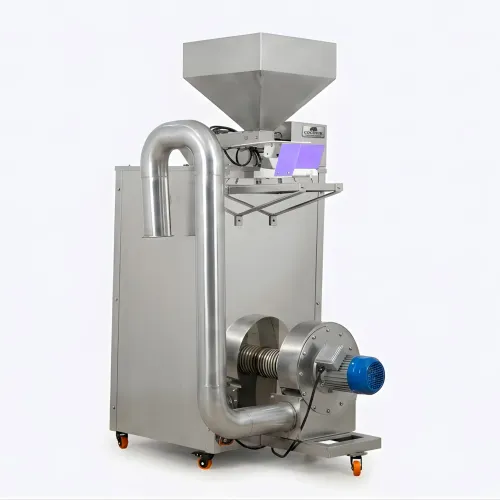
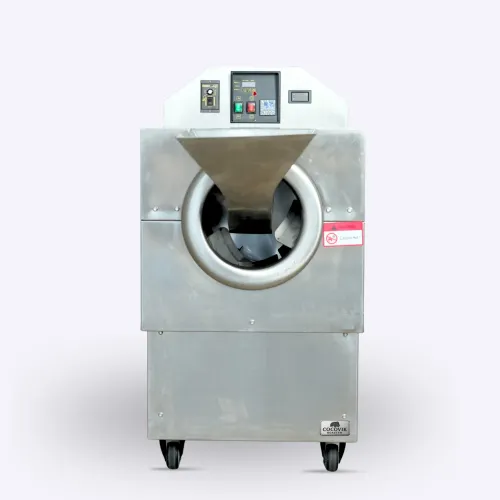
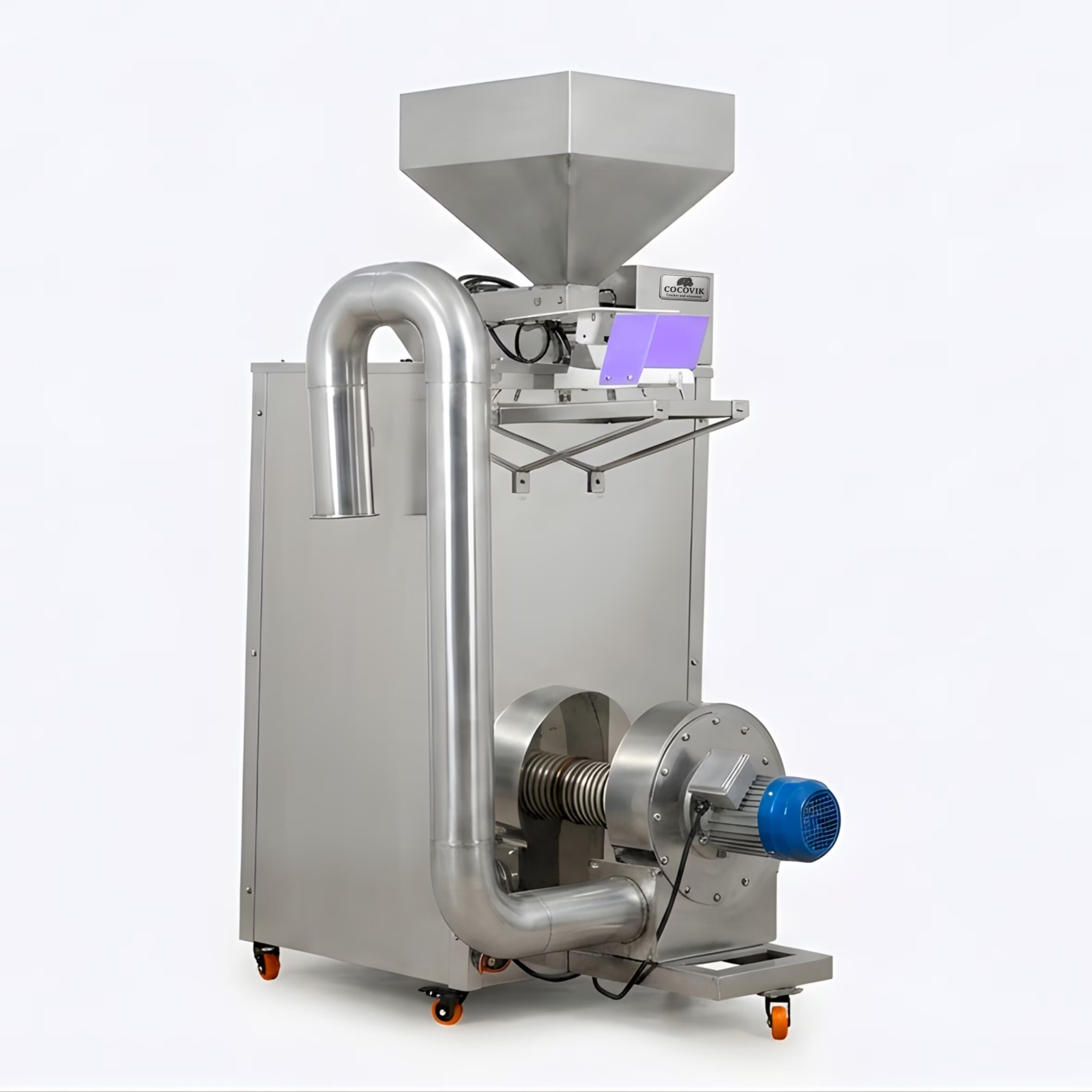
4. Check the included process hardware: feed hopper or conveyor, cracker rolls or breaker, shell aspiration, cyclone or filter, collection bins, guards, magnets, controls, and dust extraction. A bare cracker cannot produce clean nibs by itself.
Before ordering, confirm that a technician can commission the unit in Coimbatore, India-held wear parts are available, and breakdown response times are written down. Otherwise, “available now” could still leave you waiting for the equipment that makes the cracker usable.
Which Specifications Define a Usable Commercial Cracker
A usable commercial cocoa cracker machine is specified as a complete, tested process line—not merely a cracking chamber. Compare the quotation against these figures and inclusions:
| Specification | What to compare | Why it matters |
|---|---|---|
| Throughput | kg/h or t/h, with test batch size | Prevents a rated capacity that collapses under continuous loading |
| Bean condition | Moisture or conditioning range and roasted-bean temperature | Incorrect conditioning increases fines, uncracked beans, and shell carryover |
| Feed and cracking | Feed-size range, hopper capacity, breaker or roll configuration, and number of cracking stages | Shows whether the machine suits your bean size and target particle breakage |
| Power and footprint | Motor rating, phase and voltage, dimensions, machine weight | Confirms that your electrical supply, floor space, and handling equipment are adequate |
| Separation | Winnowing capacity, shell-aspiration method, cyclone or filter, and collection-bin volume | Cracking alone does not produce clean nibs |
| Yield evidence | Expected nib recovery and residual shell percentage, with moisture, variety, throughput, and test method stated | Makes supplier claims comparable rather than promotional |
| Supply scope | Feeder, discharge conveyor or hopper, controls, guards, dust collection, magnets or metal control, installation, and training | Exposes auxiliary equipment that could delay operation |
Confirm whether operation is manual, semi-automatic, or fully automatic, and identify each step requiring an operator. A commercial cocoa cracker machine is not a wet grinder: it fractures conditioned beans and loosens shells before winnowing. Ask for commissioning, wear-part availability in India, and breakdown response time.
How Beans Move From Roasting to Clean Nib Collection
Clean nibs begin with beans that are evenly roasted and cooled before cracking. Excess heat, retained moisture, or uneven roasting changes brittleness: shells stay attached, whole beans survive the breaker, or excessive force creates fines that escape with the shell stream.
1. Cool the roasted beans to the cracker’s specified feed condition, then remove stones, metal, loose debris, and visibly scorched or damp beans. Record the bean moisture and temperature; do not assume every roast batch is ready at the same point.
2. Set the hopper gate for a steady feed rather than flooding the breaker. A surge overloads the cracking zone and produces uncracked beans at one moment and excess fines at the next.
3. Start the cracker at its validated setting and check the first discharge. Increase impact or breaker clearance only when whole beans and large fragments remain; reduce intensity when the nib stream contains excessive powder or shell-sized fines.
4. Send the cracked mixture directly to controlled air separation. Adjust airflow and feed rate together: insufficient air leaves shell in the nibs, while excessive air carries light nib fragments into the shell outlet.
5. Collect separate nib and shell samples during a sustained run. Weigh whole-bean carryover, shell in the nib fraction, nib in the shell fraction, and fines before approving the setting.
Recheck the adjustment after roast changes, because bean variety, size, moisture, and cooling time alter fracture behaviour. Cracking alone is not clean separation; the winnower determines how much usable nib you recover.
How to Test Cracking, Winnowing, Safety, and Dust Control
A loaded trial proves performance; a no-load demonstration proves only that the motor runs. Use a representative batch of roasted or conditioned beans and record the same measurements throughout the test.
1. Weigh the feed and record bean moisture or condition, feed rate in kg per hour, hopper level, motor power draw, and supply voltage. A rising current reading, bridging hopper, or repeated stoppage reveals problems that an empty machine hides.
2. Run the cracker and winnower continuously for an agreed test period, then weigh each output. Record whole-bean carryover, shell percentage in the nib fraction, nib percentage in the shell fraction, and fines. Ask for the raw weights, not only a claim such as “high recovery.”
3. Check samples from the start, middle, and end of the run. Uneven cracking, increasing shell carryover, or declining separation indicates wear, heating, airflow drift, or an overloaded feed path.
4. Operate every guard, access-door interlock, overload trip, emergency-stop button, and restart control. Confirm that the machine cannot resume unexpectedly after power returns, and inspect earthing and cable protection.
5. Run the dust collector with the cracker. Look for leakage around the hopper, inspection doors, cyclone or filter, and collection bins; record visible dust, unusual noise, vibration, and filter loading.
6. Obtain the test sheet with settings, batch details, power draw, output weights, and sustained operating time. If you searched for a cocoa bean cracker near me, also verify local commissioning, India-held wear parts, and breakdown response time.
What to Ask a Coimbatore Supplier Before Dispatch
Do not release payment until the supplier defines “immediate supply” in writing. Ask whether the unit is ready stock in India, completed and awaiting dispatch, ex-display, or only available after manufacture.
Request these confirmations from a cocoa bean cracker supplier in Coimbatore:
- Exact model, serial number, available quantity, physical stock location, and dispatch date.
- Included equipment: feeder, cracking chamber, shell aspiration, cyclone or filter, collection bins, controls, and winnowing section.
- Throughput in kg/h, bean moisture or conditioning range, motor power, supply voltage, dimensions, weight, hopper capacity, and breaker or roll configuration.
- Expected nib recovery, residual shell in nibs, nib loss in shells, and the test conditions behind each figure.
- Commissioning, operator training, freight, installation, electrical work, taxes, warranty, and every exclusion.
| Stock status | Written proof to request | Main risk |
|---|---|---|
| Ready stock | Photos, serial number, location, dispatch date | Listed unit is unavailable |
| Ex-display | Run hours, condition report, warranty terms | Wear is undisclosed |
| Manufacture-to-order | Production completion date and staged payment terms | “Immediate” becomes a lead time |
A complete line is different from a cracking chamber alone. Ask SAHITH ENGINEERING, or any competing supplier, to identify each included module on the quotation. Confirm Coimbatore commissioning, India-held wear parts, breakdown response time, and an acceptance test recording feed rate, power draw, shell carryover, fines, dust, and sustained run time.
Related products
 | Cocoa Bean Winnower Machine 🔹 Cocoa Bean Cracker Machine – Industrial Cocoa Processing Machine We are a leading manufacturer and supplier of cocoa bean cracker machines in... View product → |
 | Cocoa Bean Winnower Machine Automatic Cocoa Bean Cracker Machine 🔹 Automatic Cocoa Bean Cracker Machine – Industrial Cocoa Processing Equipment We are a leading manufacturer and supplier of cocoa bean cracker... View product → |
Frequently asked questions
What does immediate supply mean for a cocoa bean cracker?
It means a completed machine exists in India and the supplier provides its serial number and stated dispatch date. It does not mean manufacturing starts after payment.
Which specifications matter when comparing commercial cocoa cracker machines?
Compare throughput, motor power, feed size, cracking adjustment, nib recovery, shell separation, dimensions, electrical requirements, and cleaning access.
How does a cocoa bean cracker produce clean nibs?
Roasted beans enter the feed system, pass through adjustable cracking elements, and move through winnowing airflow that separates lighter shells from heavier cocoa nibs.
What should you test before a cocoa cracker is dispatched?
Run your cocoa bean sample through the machine and inspect cracking consistency, nib recovery, shell carryover, dust control, guards, emergency stops, and electrical documentation.
What should you ask a Coimbatore cocoa bean cracker supplier?
Ask for the actual unit’s serial number, stock location, dispatch date, test report, warranty terms, installation scope, spare-parts list, and transport documents.
Related products
 | Cocoa Bean Winnower Machine Cocoa Beans Cracker and Winnower 🔹 Sahith Cocoa Beans Cracker & Winnower Machine We are a leading manufacturer and supplier of cocoa beans cracker and winnower machines in... View product → |
 | Cocoa Bean Winnower Machine COCOA BEAN CRACKER & WINNOWER MACHINE The Cocoa Bean Cracker & Winnower Machine is a vital piece of equipment in the chocolate production process, designed to efficiently break roasted... View product → |
Keywords