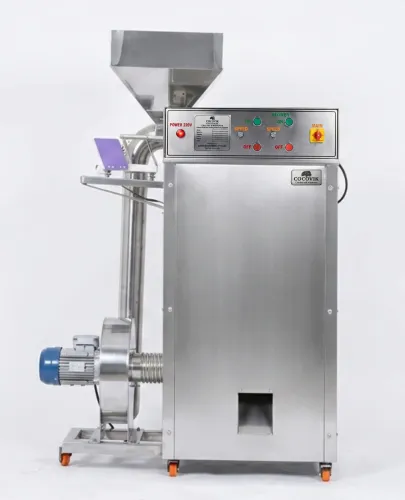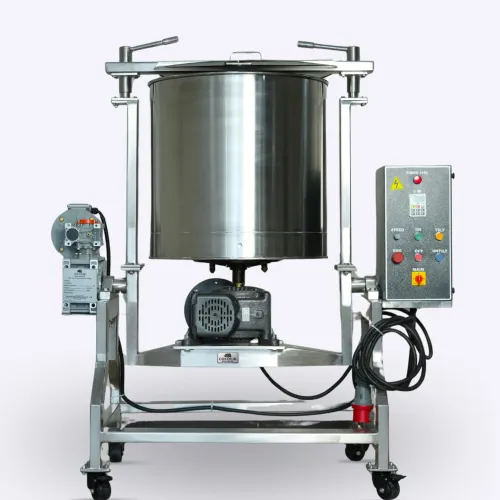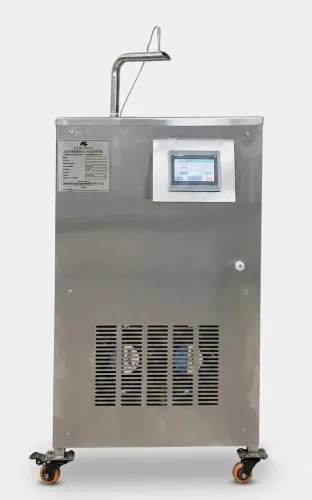


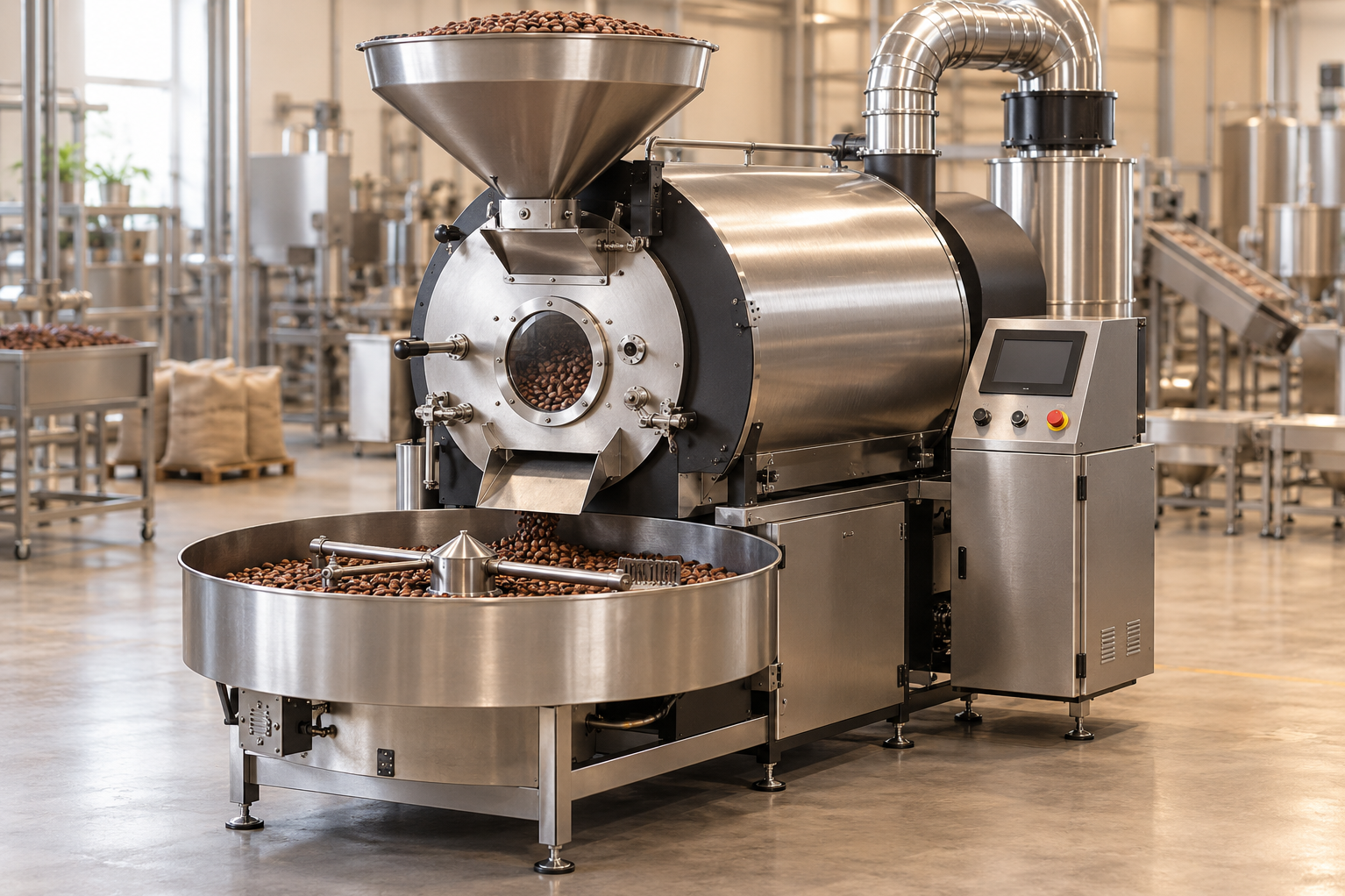
Roasting is one of the most influential stages in bean-to-bar chocolate production. It helps develop aroma, reduce unwanted moisture, loosen the relationship between shell and nib, and prepare beans for cracking and winnowing.
A cocoa bean roaster should therefore be selected according to process control rather than capacity alone. Small chocolate manufacturers need equipment that supports repeatable roast profiles across different bean origins and batch sizes.
Define the Intended Batch Range
Start by identifying the smallest and largest batches the unit expects to roast. A machine may have an advertised maximum capacity, but performance at partial loads also matters to producers who frequently test new origins or make limited batches.
Ask the manufacturer to specify:
- Recommended minimum batch
- Recommended maximum working batch
- Typical loading and unloading time
- Heating time between batches
- Cooling arrangement
- Expected output per production day
These figures provide a clearer picture of practical throughput.
Compare Roasting Control
Cocoa beans vary in size, moisture, fermentation quality, and flavour potential. A fixed approach will not deliver the same result for every origin.
Useful roasting equipment should allow operators to observe and control relevant variables such as time and temperature. The controls should be readable, conveniently positioned, and suitable for creating repeatable process records.
A producer should be able to document the roast used for each bean lot and adjust it after sensory evaluation.
Check Heating Uniformity
Uneven heating can leave some beans underdeveloped while others become excessively roasted. Buyers should ask how beans move inside the chamber and how heat is distributed.
During a demonstration, examine whether beans from different areas of the batch have a comparable aroma, colour, and internal condition. One trial cannot prove long-term consistency, but it can reveal obvious circulation or control issues.
Do Not Ignore Cooling
Beans may continue to absorb heat after leaving the roasting zone. Prompt, controlled cooling helps bring the roast to a defined end point and prepares the batch for the next stage.
Buyers should establish whether cooling is integrated, supplied separately, or expected to be handled manually. The cooling capacity should correspond to the roaster’s batch output.
Consider the Heat Source and Installation
The appropriate heating arrangement depends on the machine design and site infrastructure. Before purchase, confirm electrical load, phase requirement, ventilation, exhaust needs, and any fuel-related installation requirements.
Chocolate units operating in Coimbatore should assess ambient heat, available workspace, and airflow. Roasting equipment should be positioned so that loading, unloading, cooling, and cleaning can take place without conflicting with other production activities.
Evaluate Cleaning and Batch Separation
Fragments, dust, and cocoa residues can accumulate within a roaster. Access for cleaning is important when processing beans from different origins or changing production schedules.
The operator should be able to inspect the drum or chamber, discharge system, trays, and accessible airflow paths. Any cleaning method must protect electrical and heating components.
Review Safety Features
Hot surfaces, moving parts, and heated product require suitable safeguards. Buyers should check insulation, guards, control placement, emergency stopping arrangements, and instructions for handling hot beans.
Staff must understand startup, loading, monitoring, discharge, cooling, and shutdown procedures before production begins.
Calculate Value Through Control
The lowest-priced machine is not necessarily the lowest-cost choice. Poor roast repeatability can result in wasted beans, inconsistent flavour, additional sorting, and lost production time.
Sahith Engineering manufactures food processing machinery for commercial requirements. When evaluating a cocoa bean roaster, buyers should discuss bean origins, batch range, roast duration, temperature control, cooling, cleaning, utilities, and service availability.
For a growing chocolate brand, dependable control is more valuable than unused capacity. The right roaster should help the producer repeat successful profiles while retaining enough flexibility to experiment with new cocoa beans.