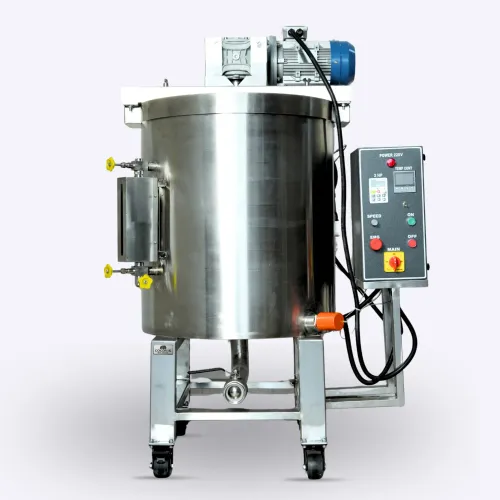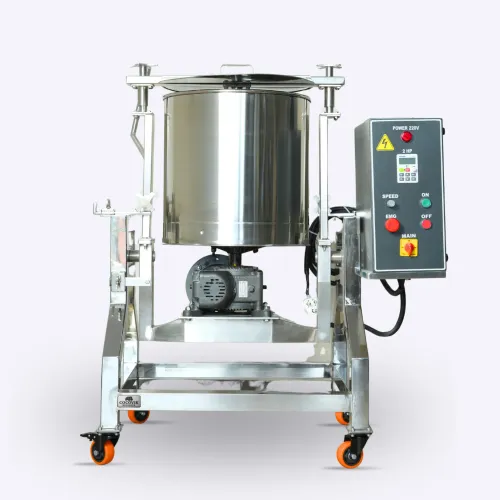
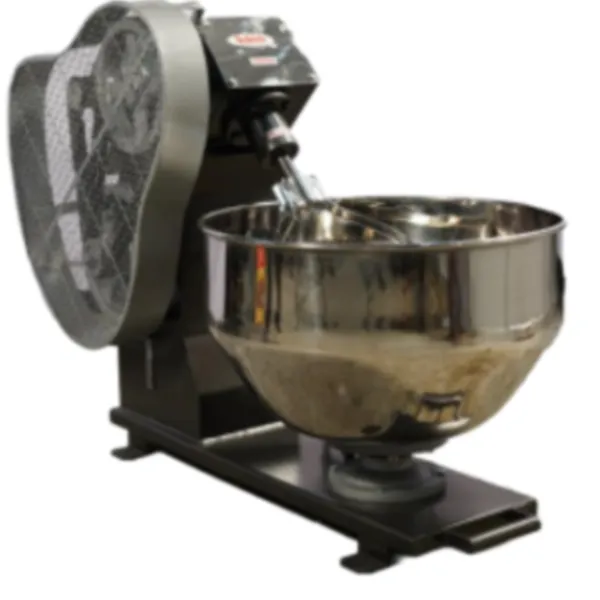
A commercial dough kneader automates one of the most labour-intensive activities in a professional kitchen. It combines flour, water, oil, and other ingredients into a uniform dough while reducing manual handling and variations between batches.
Restaurants, chapati production units, bakeries, caterers, hostels, and hotel kitchens in Coimbatore use kneaders to maintain dependable output during busy production periods. Understanding how the machine works helps buyers operate it correctly and assess whether it suits their recipes.
How Commercial Kneading Takes Place
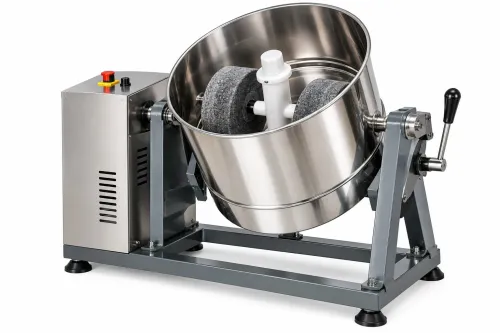
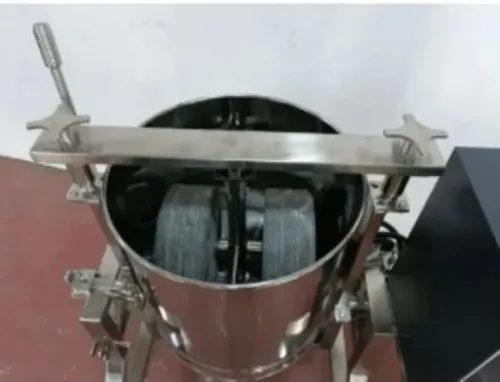
The machine generally includes a mixing bowl or chamber, a kneading arm or blade, a motor, and a transmission system. As the blade moves through the ingredients, it distributes water and applies mechanical action to form a cohesive dough.
The final result depends on several variables:
- Flour type and protein content
- Water-to-flour ratio
- Ingredient temperature
- Mixing speed
- Kneading duration
- Batch quantity
- Blade and bowl design
The machine reduces physical effort, but operators must still follow a controlled recipe. Adding water without measurement can produce inconsistent results even when the equipment is working properly.
Why Batch Size Matters
Every dough kneader has a recommended working capacity. Processing too little material may prevent effective mixing, while overfilling can leave dry flour pockets or place excessive strain on the motor.
The rated capacity should be interpreted carefully. Some manufacturers describe capacity according to flour weight, whereas others refer to the total dough weight after water and other ingredients are added.
Buyers should confirm how the capacity is measured and request a trial using their usual recipe whenever possible.
Applications Beyond Chapati Dough
Commercial kneaders are widely associated with chapati and poori production, but their usefulness extends to many other food businesses.
Depending on the machine design, they may support preparation for:
- Parotta and naan
- Samosa and kachori coverings
- Bakery dough
- Pizza bases
- Millet-based products
- Savoury snacks
- Certain confectionery mixtures
A bakery dough may require different development characteristics from a stiff poori dough. Businesses processing multiple recipes should share their ingredient ratios and expected textures with the manufacturer.
Improving Consistency Between Operators
Hand kneading often varies according to the strength, experience, and judgement of individual workers. Mechanised kneading makes it easier to standardise time, batch quantity, and ingredient addition.
A basic production record can include the quantity of flour, water percentage, mixing duration, resting time, and final dough condition. Once the correct settings are established, trained staff can reproduce them across shifts.
This standardisation is especially valuable for catering businesses and restaurant groups where customers expect the same product texture every day.
Safe Operating Practices
Operators should never place their hands or tools inside a moving chamber. The machine must be switched off and isolated before removing trapped material or cleaning internal parts.
Good daily practices include:
- Checking that guards and covers are correctly positioned
- Loading ingredients within the recommended limit
- Keeping water away from electrical components
- Listening for unusual motor or transmission noise
- Cleaning the chamber after each production cycle
- Inspecting the power cable and controls regularly
Staff should receive practical training instead of relying only on written instructions.
Cleaning the Kneader Correctly
Dough residue becomes more difficult to remove after it dries. The chamber should therefore be cleaned promptly after use, following the manufacturer’s procedure.
Food-contact areas need a smooth, hygienic finish without difficult corners where flour paste can accumulate. Cleaning chemicals should be compatible with stainless steel and must be rinsed appropriately.
The machine should never be cleaned by directing uncontrolled water toward the motor, switches, bearings, or transmission assembly.
Sahith Engineering supplies commercial food preparation machinery for hospitality and processing applications. A suitable kneader should be chosen according to the recipe, working capacity, duty cycle, cleaning requirements, and available power connection.
When correctly selected and operated, a commercial dough kneader supports predictable texture, reduces strenuous manual work, and helps kitchens organise production around measurable batch times.
Keywords